
How Small Businesses Can Find More Customers Online
Finding customers is one of the biggest challenges facing small businesses.
You may have an excellent product or service, but if the right people do not know about it, generating consistent sales can be difficult.
The internet provides many opportunities to reach potential customers. The challenge is knowing where to look, how to communicate your value and how to turn interest into meaningful business relationships.
Here are practical strategies small businesses can use to improve their customer acquisition efforts.
1. Define Your Ideal Customer
Before searching for leads, identify the people or businesses most likely to benefit from your services.
Consider:
- What industry do they operate in?
- Where are they located?
- What problems are they trying to solve?
- Who makes purchasing decisions?
- What would make them choose your business?
For example, a cybersecurity consultancy may focus on professional services firms that need help improving their security practices. A marketing agency may target businesses that need better online visibility.
A clear customer profile makes research and outreach more focused.
2. Make Your Business Easy to Find
Your website and online profiles should explain what you do, who you help and how people can contact you.
A useful business website should include:
- A clear description of your services.
- Relevant examples of your work.
- Contact details and an enquiry form.
- Testimonials or case studies where available.
- A clear next step for interested visitors.
Your website should answer the customer's most important questions without making them search through unnecessary information.
3. Use Lead Research to Identify Prospects
Lead-generation tools can help businesses identify potential customers by industry, location or other relevant criteria.
Depending on the available data, research may include company websites, publicly listed business email addresses, telephone numbers and professional profiles.
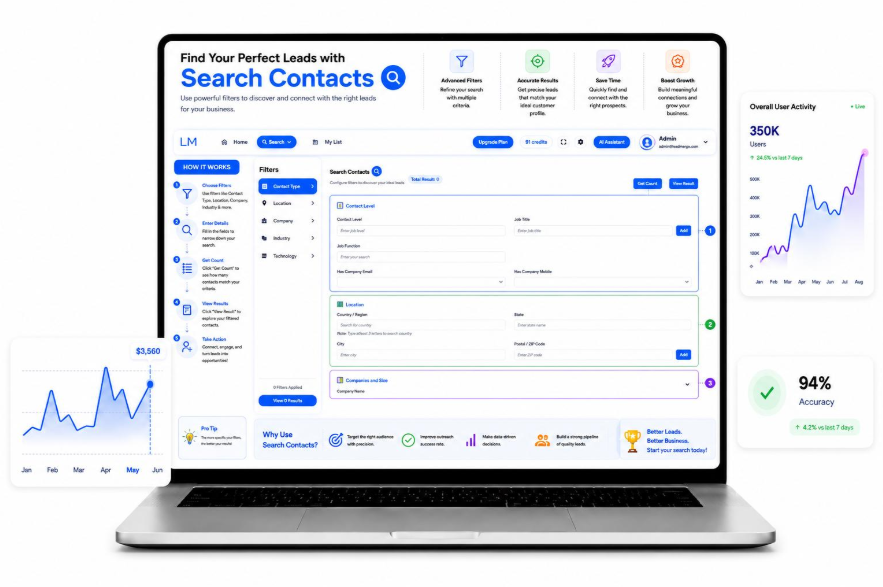
Brandvoya advertises lead-finding capabilities intended to help users discover business prospects. Before relying on any lead database, evaluate the accuracy, coverage and freshness of its results.
Start with a small sample. Check whether the businesses are relevant, whether the contact information works and whether the available data is sufficient for your intended purpose.
4. Organize Your Prospect List
A spreadsheet or customer relationship management system can help you keep track of potential customers.
Useful fields include:
- Company name.
- Website.
- Industry.
- Business location.
- Public business contact details.
- Source of the information.
- Date the information was checked.
- Outreach status.
- Next follow-up date.
Avoid collecting unnecessary personal information. Keep records accurate and respect requests not to be contacted.
5. Write Outreach Messages That Focus on Value
Effective outreach is relevant, specific and respectful.
Rather than sending the same generic message to every prospect, explain why your service may be relevant to that particular business.
For example:
Subject: Improving your business's online security
Hello [Business Name],
I came across your company while researching businesses in your industry.
I work with Cipher Knights, where we help organizations explore practical ways to improve their IT and cybersecurity.
If reviewing your current security arrangements is a priority, I would be happy to discuss whether we could help.
Kind regards,
[Your Name]
Use truthful, personalized messages and follow the applicable rules for unsolicited electronic marketing. Do not imply that you have identified a vulnerability unless you have evidence to support that claim.
6. Combine Different Marketing Channels
A balanced customer acquisition strategy may include:
Search engine optimization: Publish useful content that answers questions your potential customers are already asking.
Social media: Share expertise, demonstrations, business updates and useful resources.
Email marketing: Communicate with subscribers and contacts where you have an appropriate legal basis.
Partnerships: Work with complementary businesses that serve similar customers.
Paid advertising: Test targeted campaigns when your budget and conversion tracking are ready.
The best channel depends on your audience, offer and resources. Start with a manageable number of channels and measure what produces qualified enquiries.
7. Track Results and Improve
Do not judge lead generation only by the number of contacts collected.
Measure the outcomes that matter:
- Relevant prospects identified.
- Valid contact details.
- Positive responses.
- Meetings booked.
- Qualified opportunities.
- New customers and revenue.
If many contacts never respond, revisit your targeting and message. If people respond but do not buy, review your offer, pricing and sales process.
Grow Your Customer Pipeline with Brandvoya
Brandvoya offers a collection of digital business tools, including advertised lead-finding and marketing capabilities.
Explore the available features to see whether they can help you research prospects, organize your marketing activities and support your customer acquisition process.
Visit Brandvoya.com to learn more.
Remember: successful lead generation is not about contacting everyone. It is about finding the right people, offering genuine value and building relationships that can lead to lasting business.