If you sell to other businesses, your best customers are often just down the road. Salons need booking websites, care homes need IT support, builders need accountants. The hard part is finding them and reaching the right inbox.
This guide shows a simple process: pick a niche and a place, collect the businesses, check their emails, and send a short, useful message.
1. Pick one niche and one area
"Businesses in the UK" is too broad. "Hair salons in Leicester" or "pharmacies in Ikeja" is something you can act on. A narrow target lets you write a message that fits, and makes replies more likely.
Good questions to ask:
- Which businesses already buy what you sell?
- Where can you deliver or visit?
- Which industries have you helped before? Your past results make the best pitch.
2. Collect the businesses
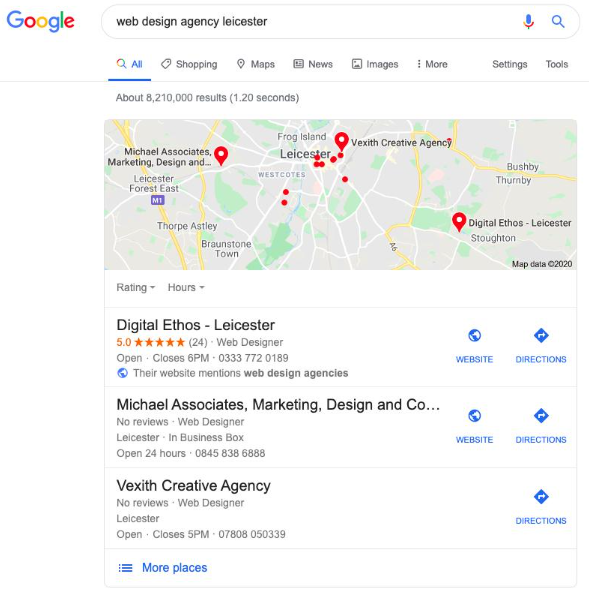
Public listings such as map results and company registers show business names, addresses, phone numbers, websites and categories. Collecting them by hand takes hours. With Brandvoya Lead Finder, you choose the industry and the town, county or state, and get a list of matching businesses, with business emails where one is published.
3. Check every email before you send
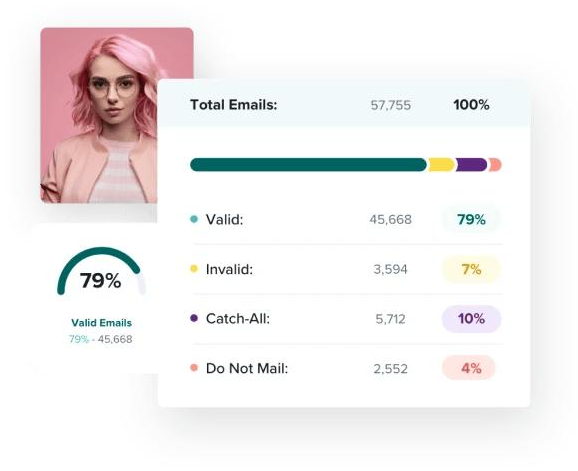
This is the step most people skip, and it's the one that ruins campaigns. Old and mistyped addresses bounce. Too many bounces and email providers start sending your mail to spam, or stop delivering it at all.
Brandvoya checks each mailbox before it goes on your list and only emails the ones that pass. In one real test, a search for care homes in Leicestershire found 38 businesses with emails, 27 passed the check, and all 27 emails were delivered with zero bounces.
4. Write a short, useful first email
- Under 100 words. Busy owners skim.
- About them, not you. Mention their business type or town.
- One small ask. "Can I send you a 3-minute video?" gets more replies than "Book a 30-minute call".
- Plain text. It looks personal and lands in the inbox more often than heavy designs.
- An easy way out. Every message should include a working unsubscribe link.
If someone doesn't open the first email, one follow-up a few days later with a different subject line is reasonable. Stop there.
5. Follow the rules
Rules differ by country. This is a summary, not legal advice:
- UK: under PECR you may email limited companies and other corporate bodies about relevant products without prior consent, as long as you identify yourself and offer an easy opt-out. Sole traders and some partnerships are treated like individuals and need consent first. UK GDPR still applies to named contacts.
- Nigeria: the Nigeria Data Protection Act applies to personal data such as named contacts. Use public business contact details, keep messages relevant, and honour opt-outs promptly.
Everywhere: never hide who you are, never mislead, and remove anyone who asks.
6. Add other channels
Some businesses don't publish an email but do answer the phone, WhatsApp or post. For UK businesses, Brandvoya can also send a printed postcard. A physical card on the front desk gets noticed.
Try it
Create a free account, open the AI assistant and type something like "find hair salons in Leicester and email them about my booking websites". It sets up the search, shows you the cost first, and prepares the campaign for you to approve.